A welding machine is a valuable investment, whether you are a professional welder, a hobbyist, or an industrial manufacturer. Proper maintenance ensures that your welding machine operates efficiently, lasts longer, and remains safe to use. Neglecting regular maintenance can lead to equipment failure, reduced performance, and costly repairs.
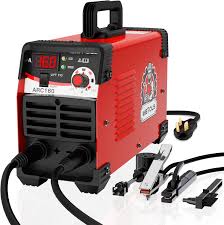
1. Regular Inspection and Cleaning
Why It’s Important
Welding machines accumulate dust, dirt, and metal particles over time, which can impact performance. Regular inspections help detect wear and tear before it becomes a bigger problem.
Maintenance Steps
- Daily Cleaning: Wipe down the machine with a dry cloth after every use to remove dust and debris.
- Weekly Inspection: Check for loose connections, frayed wires, or any visible damage.
- Airflow Maintenance: Ensure that the machine’s cooling vents are free from obstructions to prevent overheating.
- Compressed Air Cleaning: Use compressed air to blow out dust from internal components, especially if working in a dusty environment.
2. Proper Storage Practices
Why It’s Important
Improper storage can expose the machine to moisture, dust, and temperature fluctuations, which may cause internal damage and corrosion.
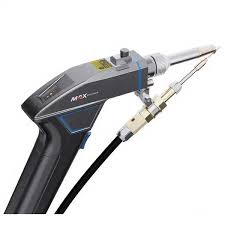
Storage Tips
- Keep It Dry: Store the machine in a dry, well-ventilated area to prevent rust and electrical damage.
- Cover When Not in Use: Use a protective cover to shield the machine from dust and moisture.
- Avoid Extreme Temperatures: Do not store the machine in excessively hot or cold environments, as this can affect its electrical components.
- Proper Cable Management: Neatly wrap cables and keep them off the floor to avoid tripping hazards and cable wear.
3. Checking and Replacing Consumables
Why It’s Important
Consumables such as electrodes, nozzles, and tips wear out over time, affecting welding quality and machine efficiency.
What to Check
- Electrodes & Nozzles: Inspect for wear and replace them when they become clogged or damaged.
- Contact Tips: Worn-out tips can cause inconsistent arcs and poor weld quality.
- Shielding Gas Components: If using a MIG or TIG welder, ensure that hoses and regulators are in good condition to prevent gas leaks.
4. Maintaining Electrical Components
Why It’s Important
Faulty electrical connections can cause voltage fluctuations, poor performance, and even pose safety hazards.
Electrical Maintenance Tips
- Check Cables for Damage: Look for cuts, burns, or exposed wires in power cables and welding leads.
- Secure Connections: Ensure all electrical connections are tight and free from corrosion.
- Inspect Ground Clamps: A weak ground connection can affect arc stability; clean and tighten ground clamps regularly.
- Test Voltage Output: Use a multimeter to check that the machine is providing the correct voltage.
5. Cooling System Maintenance
Why It’s Important
Welding generates high temperatures, and a malfunctioning cooling system can lead to overheating and damage.
How to Maintain the Cooling System
- Check Fans and Ventilation: Ensure cooling fans are operational and free from obstructions.
- Monitor Coolant Levels (for water-cooled systems): If your machine has a water-cooled torch, regularly check coolant levels and refill as needed.
- Replace Coolant Periodically: Use manufacturer-recommended coolant and change it according to the recommended schedule.
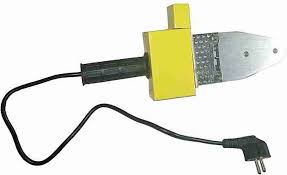
How to Maintain Your Welding Machine
6. Lubrication of Moving Parts
Why It’s Important
Certain parts of a welding machine, such as wire feeders in MIG welders, require lubrication to function smoothly.
Lubrication Tips
- Use Manufacturer-Approved Lubricants: Avoid using generic lubricants that might damage internal components.
- Lubricate Moving Parts Monthly: Apply lubricant to wire feeder rollers, drive systems, and hinges.
- Avoid Over-Lubrication: Excess lubricant can attract dust and debris, causing clogging.
7. Safety Checks and Calibration
Why It’s Important
Regular safety checks and calibration ensure the machine operates at peak efficiency while preventing accidents.
Key Safety Checks
- Inspect Safety Features: Test emergency shutoff switches and warning lights.
- Check Fire Hazards: Keep the work area clear of flammable materials and ensure a fire extinguisher is nearby.
- Calibrate the Machine: Periodically calibrate voltage and wire feed settings to maintain accuracy.
8. Using the Right Power Supply
Why It’s Important
Incorrect power settings can cause fluctuations that damage internal components.
Power Supply Tips
- Match Voltage Requirements: Always use the recommended voltage input specified in the manual.
- Avoid Overloading Circuits: Plugging the welding machine into an overloaded power circuit can cause electrical failures.
- Use a Surge Protector: Prevents damage from power surges and fluctuations.
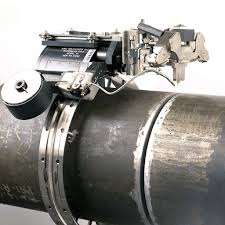
How to Maintain Your Welding Machine
9. Keeping a Maintenance Log
Why It’s Important
A maintenance log helps track inspections, repairs, and part replacements, ensuring your welding machine stays in top condition.
How to Maintain a Log
- Record Inspection Dates: Keep a record of when inspections and cleaning were performed.
- Note Replacements: Document when parts like electrodes, tips, or cables are replaced.
- Track Performance Issues: If the machine starts underperforming, refer to your log to identify patterns.
10. Follow Manufacturer Guidelines
Why It’s Important
Each welding machine has unique maintenance needs, and following the manufacturer’s recommendations ensures optimal performance.
Where to Find Manufacturer Guidelines
- User Manual: Read and follow the maintenance instructions in the manual.
- Online Resources: Check the manufacturer’s website for updates, FAQs, and support forums.
- Technical Support: Contact the manufacturer’s customer service for specific maintenance queries.
How to Maintain Your Welding Machine
Conclusion
Maintaining your welding machine is not just about prolonging its lifespan—it’s also about ensuring consistent performance and safety. By following regular cleaning routines, inspecting electrical components, replacing worn-out consumables, and keeping a maintenance log, you can avoid costly breakdowns and enjoy smooth welding operations for years to come.
To summarize: ✅ Clean and inspect your machine regularly
✅ Store it in a dry, dust-free environment
✅ Check and replace consumables
✅ Ensure electrical connections are secure
✅ Maintain the cooling system to prevent overheating
✅ Lubricate moving parts for smooth operation
✅ Perform safety checks and calibrations periodically
✅ Use the correct power supply and voltage settings
✅ Keep a maintenance log for tracking upkeep
✅ Follow manufacturer guidelines for best results
By integrating these maintenance habits into your routine, your welding machine will continue to operate efficiently, saving you time, money, and frustration in the long run. 🚀