Welding and fabrication are two fundamental processes in the manufacturing and construction industries. They play critical roles in assembling and constructing metal structures and components. While often used interchangeably, welding and fabrication are distinct processes with specific applications, techniques, and outcomes. This article will delve into the definitions, differences, similarities, advantages, disadvantages, and other relevant insights into welding and fabrication.
Definitions
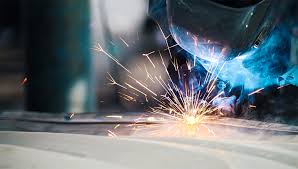
Welding: Welding is a process that involves joining two or more metal parts together by melting their edges and allowing them to cool and fuse. This process often involves the use of a filler material and is performed under high temperatures. Common types of welding include:
- Arc Welding
- MIG (Metal Inert Gas) Welding
- TIG (Tungsten Inert Gas) Welding
- Spot Welding
- Laser Welding
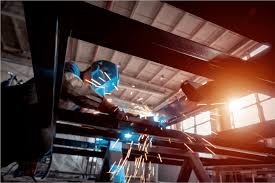
Fabrication: Fabrication is a broader term that encompasses the entire process of creating metal structures and products from raw materials. Fabrication involves cutting, bending, assembling, and welding metal parts to form a final product. The primary processes involved in fabrication are:
- Cutting (using saws, lasers, or plasma torches)
- Bending (using press brakes or other tools)
- Welding
- Assembly
- Machining
Differences Between Welding and Fabrication
- Scope:
- Welding is a single process focused solely on joining metals.
- Fabrication is a comprehensive process that includes welding, cutting, bending, and assembling metal components.
- Purpose:
- Welding aims to create a strong joint between metal parts.
- Fabrication aims to create a complete product or structure from raw materials.
- Techniques:
- Welding primarily involves heating and melting metals.
- Fabrication involves multiple techniques, such as cutting, shaping, and assembling.
- Skills Required:
- Welding requires specialized skills and certification in welding techniques.
- Fabrication requires a broader skill set, including welding, blueprint reading, machining, and measurement.
- Final Product:
- Welding produces a joint or repair.
- Fabrication results in a finished product or structure.
Welding and Fabrication
Similarities Between Welding and Fabrication
- Material:
- Both processes primarily work with metals like steel, aluminum, and iron.
- Tools and Equipment:
- Both welding and fabrication require cutting tools, grinders, measuring instruments, and safety gear.
- Industry Application:
- Both processes are vital in industries such as construction, automotive, shipbuilding, and manufacturing.
- Safety Concerns:
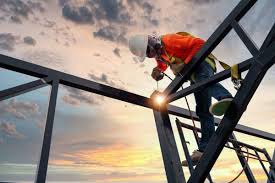
- Both welding and fabrication involve high temperatures, sparks, and heavy machinery, requiring strict safety protocols.
Welding and Fabrication
- Both welding and fabrication involve high temperatures, sparks, and heavy machinery, requiring strict safety protocols.
Advantages of Welding
- Strong and Durable Joints:
- Welded joints are often stronger than the base metals, ensuring long-lasting durability.
- Permanency:
- Welding creates permanent joints that can withstand heavy loads and stress.
- Design Flexibility:
- Welding allows for complex designs and shapes, enabling the construction of custom structures.
- Cost-Effective for Large Projects:
- Welding is cost-effective for large-scale construction and manufacturing projects.
- Efficiency:
- Modern welding techniques like MIG and TIG offer quick and precise results.

Welding and Fabrication
- Modern welding techniques like MIG and TIG offer quick and precise results.
Disadvantages of Welding
- Skilled Labor Requirement:
- Welding requires trained and certified professionals, increasing labor costs.
- Potential Defects:
- Improper welding can lead to defects like cracks, porosity, or weak joints.
- Health and Safety Risks:
- Welders are exposed to hazardous fumes, UV radiation, and fire risks.
- Equipment Costs:
- High-quality welding machines and protective gear can be expensive.
Advantages of Fabrication
- Custom Solutions:
- Fabrication allows for tailor-made solutions to meet specific project requirements.
- High Precision:
- Modern fabrication techniques, such as CNC machining, ensure precise measurements and cuts.
- Versatility:
- Fabrication works with various metals and can produce simple to complex structures.
- Streamlined Production:
- Fabrication shops integrate multiple processes under one roof, ensuring efficiency and faster production times.
- Durability:
- Fabricated metal structures are robust and resistant to environmental factors.

Welding and Fabrication
- Fabricated metal structures are robust and resistant to environmental factors.
Disadvantages of Fabrication
- Cost:
- Custom fabrication projects can be expensive due to material, labor, and equipment costs.
- Time-Consuming:
- Complex fabrication projects require meticulous planning and execution, leading to longer completion times.
- Material Waste:
- Cutting and shaping metals often lead to material wastage, increasing costs.
- Skilled Workforce:
- Fabrication requires a team of skilled professionals, including welders, machinists, and engineers.

Welding and Fabrication
- Fabrication requires a team of skilled professionals, including welders, machinists, and engineers.
Applications of Welding and Fabrication
Welding Applications:
- Construction of bridges, buildings, and pipelines
- Automotive industry for vehicle assembly and repair
- Shipbuilding for constructing and repairing ships
- Aerospace industry for aircraft components
- Repair and maintenance of industrial machinery
Fabrication Applications:
- Structural steel frameworks for buildings
- Manufacturing of industrial equipment and machinery
- Production of metal furniture and decorative items
- Fabrication of metal gates, fences, and railings
- Custom metal parts for automotive and aerospace sectors

Welding and Fabrication
Future Trends in Welding and Fabrication
- Automation:
- Robotic welding and automated fabrication systems are improving speed, accuracy, and consistency.
- Advanced Materials:
- The use of lightweight and high-strength alloys is becoming more prevalent in fabrication and welding.
- 3D Metal Printing:
- Additive manufacturing is revolutionizing the fabrication industry by enabling complex designs with minimal material waste.
- Enhanced Safety Standards:
- Modern safety protocols and protective equipment are reducing workplace accidents and health hazards.
- Sustainable Practices:
- Eco-friendly fabrication methods and recycling of scrap metal are gaining traction to reduce environmental impact.
Welding and Fabrication
- Eco-friendly fabrication methods and recycling of scrap metal are gaining traction to reduce environmental impact.
Conclusion
Welding and fabrication are indispensable processes in modern manufacturing and construction industries. While welding focuses on joining metals, fabrication encompasses the entire process of creating metal structures from raw materials. Both processes have unique advantages and challenges, requiring skilled professionals and specialized equipment. With advancements in technology and automation, welding and fabrication are evolving to meet the demands of precision, efficiency, and sustainability. Understanding the nuances of these processes can help businesses and individuals make informed decisions for their metalworking projects.