Kenya’s burgeoning infrastructure development, manufacturing sector, and creative industries are driving a significant demand for skilled welders and fabricators. From constructing high-rise buildings and bridges to crafting intricate metalwork and supporting the automotive industry, welding and fabrication are essential trades contributing to the nation’s progress. For individuals and businesses involved in this dynamic field in Kenya, staying abreast of essential tips, emerging trends, and best practices is crucial for success and competitiveness.
This blog post will delve into key aspects of welding and fabrication relevant to the Kenyan context, providing valuable insights for professionals looking to enhance their skills, businesses aiming to optimize their operations, and those considering entering this vital industry.
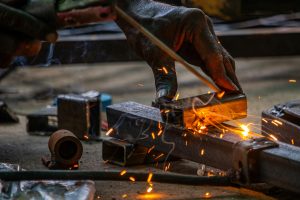
Essential Tips for Welders and Fabricators in Kenya:
-
Prioritize Safety Above All Else: Welding and fabrication involve inherent risks. Strict adherence to safety protocols is non-negotiable. This includes:
- Personal Protective Equipment (PPE): Always wear appropriate PPE, including welding helmets with the correct shade, safety glasses, gloves, leather aprons, and protective footwear.
- Ventilation: Ensure adequate ventilation in welding areas to prevent inhalation of harmful fumes. Utilize fume extractors when necessary.
- Fire Safety: Keep flammable materials away from welding areas and have fire extinguishers readily accessible.
- Electrical Safety: Inspect welding equipment regularly for any damage and ensure proper grounding to prevent electrical shocks.
- Safe Material Handling: Use appropriate lifting equipment and techniques when handling heavy metal components.
-
Master Fundamental Welding Techniques: A strong foundation in various welding processes is essential. Focus on proficiency in:
- SMAW (Shielded Metal Arc Welding) / Stick Welding: A versatile and widely used process, particularly for outdoor and heavy-duty applications.
- GMAW (Gas Metal Arc Welding) / MIG Welding: Known for its speed and efficiency, suitable for a range of materials and thicknesses.
- GTAW (Gas Tungsten Arc Welding) / TIG Welding: Offers high precision and control, ideal for critical welds and specialized materials like aluminum and stainless steel.
- FCAW (Flux-Cored Arc Welding): A high-deposition rate process often used in construction and heavy fabrication.
-
Understand Material Properties: Different metals have unique welding characteristics. Develop a thorough understanding of:
- Carbon Steels: The most common type of steel used in fabrication.
- Alloy Steels: Steels with added elements to enhance properties like strength and corrosion resistance.
- Stainless Steels: Known for their corrosion resistance and aesthetic appeal.
- Aluminum Alloys: Lightweight and corrosion-resistant, requiring specific welding techniques.
-
Invest in Quality Equipment and Maintenance: Using reliable and well-maintained welding and fabrication equipment is crucial for producing high-quality work and ensuring safety. Regular maintenance schedules are essential to prevent breakdowns and extend the lifespan of your tools.
-
Develop Strong Fabrication Skills: Beyond welding, proficiency in fabrication techniques is vital:
- Cutting: Accurate cutting of metal using various methods like oxy-fuel cutting, plasma cutting, and laser cutting.
- Bending and Forming: Shaping metal using press brakes, rollers, and other forming equipment.
- Layout and Measurement: Precise layout and measurement techniques are essential for accurate fabrication.
- Assembly and Fitting: Skillfully assembling and fitting metal components before welding.
-
Stay Updated with Industry Standards and Codes: Adhering to relevant Kenyan and international welding and fabrication standards and codes ensures quality and safety compliance. Stay informed about any updates or changes in these regulations.
-
Continuous Learning and Skill Development: The field of welding and fabrication is constantly evolving with new technologies and techniques. Invest in continuous learning through workshops, certifications, and industry publications to stay ahead.
-
Build a Strong Network: Connect with other welders, fabricators, suppliers, and industry professionals in Kenya. Networking can lead to new opportunities, knowledge sharing, and collaborations.
-
Embrace Precision and Attention to Detail: Welding and fabrication require accuracy and meticulous attention to detail to ensure structural integrity and aesthetic quality.
-
Consider Specializations: As you gain experience, consider specializing in a particular area of welding or fabrication that aligns with your interests and market demand (e.g., pipeline welding, automotive fabrication, artistic metalwork).
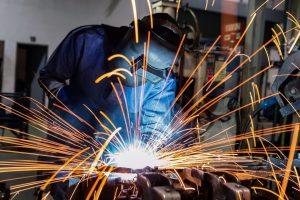
Emerging Trends in Welding and Fabrication in Kenya:
-
Increased Demand for Skilled Labor: With ongoing infrastructure projects and a growing manufacturing sector, the demand for qualified welders and fabricators in Kenya is expected to rise.
-
Adoption of Advanced Welding Technologies: While traditional methods remain prevalent, there is a gradual adoption of more advanced welding technologies like robotic welding and automated systems, particularly in larger manufacturing operations.
-
Focus on Sustainable Practices: There is a growing awareness of environmental concerns, leading to a greater emphasis on sustainable welding and fabrication practices, including reducing waste and using energy-efficient equipment.
-
Integration of Digital Technologies: CAD/CAM software is increasingly being used in fabrication for design, planning, and automated cutting and forming processes.
-
Growing Use of Specialized Materials: As industries evolve, there is a greater need for welding and fabrication of specialized materials like aluminum alloys, stainless steels, and high-strength steels.
-
Emphasis on Quality Assurance and Inspection: Stringent quality control measures and non-destructive testing (NDT) methods are becoming increasingly important to ensure the integrity of welded structures and components.
-
Opportunities in Renewable Energy: The growth of the renewable energy sector in Kenya presents opportunities for welders and fabricators in the manufacturing and installation of solar panels, wind turbines, and related infrastructure.
-
Artistic and Decorative Metalwork: There is a growing market for artistic and decorative metalwork in Kenya, offering opportunities for skilled fabricators with creative flair.
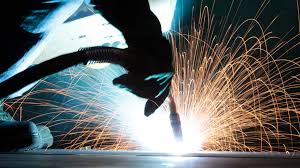
Conclusion: Forging a Successful Path in Kenyan Welding and Fabrication:
The welding and fabrication industry in Kenya offers significant opportunities for skilled individuals and businesses. By prioritizing safety, mastering fundamental techniques.