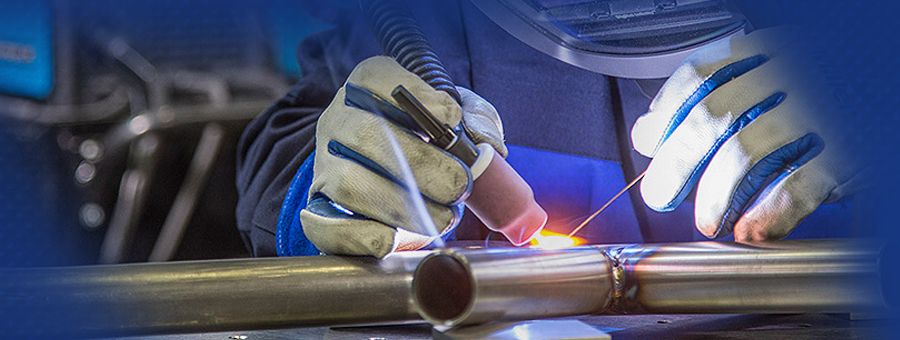
Professional metal fabrication and welding services offering strong, durable, and high-quality metal structures. Custom metal works for construction, industrial, and residential applications with precision and reliability.
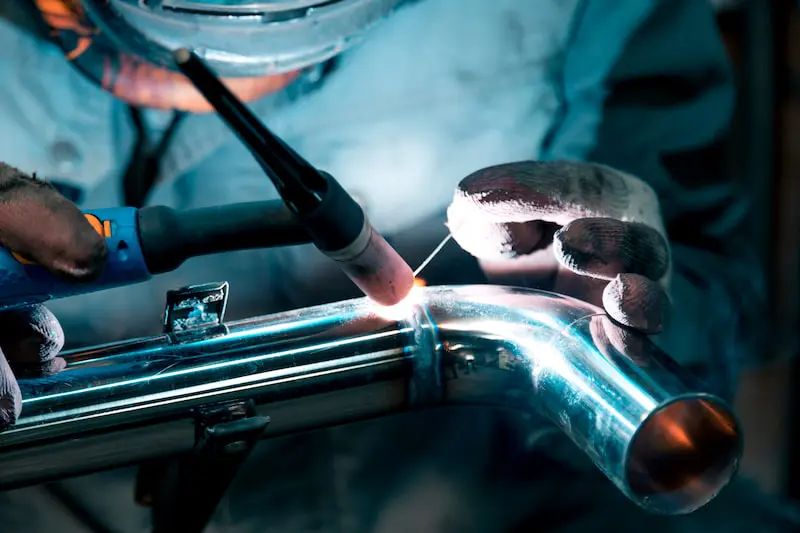
TIG welding, also known as Tungsten Inert Gas welding, is one of the most advanced and precise welding techniques used in modern metal fabrication. It is widely respected in engineering and manufacturing industries because it produces clean, strong, and visually appealing welds. Unlike other welding methods, TIG welding gives the welder full control over heat, filler material, and welding speed, making it ideal for high-quality and detailed work.
In Kenya’s growing construction, automotive, and fabrication industries, TIG welding plays a key role in delivering durable and professional metal solutions. At Gamun.co.ke, we specialize in high-quality welding and fabrication services that meet both industrial and residential needs. Our expertise in TIG welding ensures that every project is completed with accuracy, strength, and long-lasting performance.

As a trusted fabrication company, Gamun Engineering Solutions focuses on delivering reliable welding solutions that meet modern engineering standards while ensuring customer satisfaction.
TIG welding is a process that uses a non-consumable tungsten electrode to produce an electric arc that melts metal parts together. A separate filler rod may be added manually depending on the type of joint required. The welding area is protected by an inert gas, usually argon, which prevents contamination from oxygen, nitrogen, and moisture in the air.
This process results in a clean, strong, and precise weld that is free from spatter and defects. TIG welding is especially suitable for thin materials and applications where appearance and accuracy are important.
The TIG welding process involves several carefully controlled steps:
A tungsten electrode is used to create an electric arc between the electrode and the metal being welded. This arc generates intense heat.
The heat from the arc melts the base metal, forming a molten weld pool.
A filler rod is manually fed into the weld pool to strengthen the joint if needed.
Argon gas is released around the weld area to protect it from contamination.
Once welding is complete, the molten metal cools and solidifies into a strong joint.
This controlled process allows welders to produce high-quality and visually clean welds.
TIG welding is widely preferred due to its numerous benefits in both industrial and custom fabrication work.
TIG welding offers unmatched control, allowing welders to work on complex and detailed projects with high accuracy.
It produces smooth, spatter-free welds that often require little or no finishing work.
Despite its delicate appearance, TIG welds are extremely strong and reliable.
TIG welding can be used on a wide range of metals including stainless steel, aluminum, copper, and titanium.
It is perfect for welding thin sheets without causing burn-through or distortion.
TIG welding is often used where appearance matters, such as decorative metal work and visible joints.
While TIG welding is highly effective, it also has some limitations:
TIG welding is slower compared to MIG or arc welding due to its detailed nature.
It demands experienced welders with strong technical skills and hand coordination.
The weld area must be very clean to avoid defects.
Due to equipment and skill requirements, TIG welding can be more expensive.
Despite these challenges, the quality of results makes it worth the investment.

TIG welding is used in a wide variety of industries where precision and quality are important.
Used in exhaust systems, chassis fabrication, and performance modifications.
Ideal for aircraft components that require lightweight and high-strength joints.
Used in stainless steel equipment such as tanks, pipes, and kitchen installations due to hygiene requirements.
Used in decorative railings, gates, staircases, and modern architectural designs.
Applied in machinery fabrication and equipment assembly.
Used for artistic metal work, furniture, and bespoke engineering designs.
TIG welding works best with specific types of metals:
Each material requires different settings and techniques to achieve optimal results. Aluminum, for example, requires alternating current (AC), while stainless steel typically uses direct current (DC).
Understanding how TIG compares with other welding methods helps highlight its advantages.
Each method has its place, but TIG welding stands out for precision and quality.
TIG welding is essential in modern engineering due to its ability to deliver high-quality and reliable results.
Industries today rely on TIG welding for both functional and decorative metal work.
At Gamun.co.ke, we provide professional TIG welding services tailored to meet diverse client needs across Kenya. Our focus is on delivering strong, precise, and high-quality welding solutions for both industrial and residential projects.
As part of our engineering expertise, Gamun Engineering Solutions offers:
We use modern TIG welding equipment and experienced technicians to ensure every project meets high standards of quality and durability.
Choosing professional TIG welding ensures better results compared to amateur or low-quality welding work.
Professional welding also ensures compliance with industry standards and engineering requirements.
Even though TIG welds are strong and durable, proper maintenance is important:
Proper maintenance increases the lifespan of welded structures significantly.
TIG welding continues to evolve with advancements in technology. Modern innovations are making the process more efficient, automated, and precise.
Future trends include:
These advancements will further improve productivity and quality in metal fabrication industries.
TIG welding is one of the most precise and high-quality welding techniques available today. It offers unmatched control, clean finishes, and strong welds, making it ideal for industries that require accuracy and durability.
At Gamun Engineering Solutions, we are committed to providing professional TIG welding services that meet the highest standards of craftsmanship. Whether it is industrial fabrication, automotive work, or custom metal design, our expertise ensures reliable and long-lasting results.
Hello! How can we help you today?
Start Chat