Metal Inert Gas (MIG) welding is a widely utilized welding technique known for its efficiency and versatility. However, welders often encounter issues such as spatter, porosity, and incomplete fusion, which can compromise the quality and integrity of the weld. Understanding the causes of these problems and implementing effective solutions is crucial for achieving optimal welding results.
1. Spatter
Spatter refers to the ejection of molten metal droplets during the welding process, which then solidify on the workpiece surface. While spatter doesn’t typically affect the structural integrity of the weld, it necessitates additional post-weld cleaning and can result in a rough, uneven appearance.
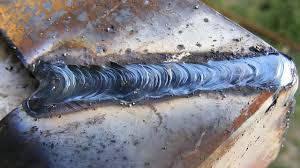
Causes of Spatter
- Improper Voltage and Amperage Settings: Incorrect electrical parameters can lead to an unstable arc, causing excessive spatter.
- Inadequate Shielding Gas Coverage: Insufficient shielding gas can allow atmospheric contamination, leading to spatter.
- Contaminated Materials: Presence of rust, oil, or dirt on the base metal can cause spatter during welding.
Solutions to Reduce Spatter
- Adjust Welding Parameters: Set the appropriate voltage and amperage according to the material type and thickness. Refer to the welding machine’s guidelines or consult with the electrode manufacturer for recommended settings.
- Ensure Adequate Shielding Gas Flow: Verify that the gas flow rate is sufficient, typically between 20 to 25 cubic feet per hour (cfh). Inspect hoses and connections for leaks, and use a nozzle size that provides proper gas coverage.
- Clean the Workpiece: Thoroughly remove any contaminants from the base metal before welding. This can be achieved through mechanical cleaning methods such as wire brushing or grinding.
- Maintain Proper Technique: Use the correct gun angle, typically between 5 to 15 degrees, and maintain a consistent travel speed to promote a stable arc and reduce spatter.
2. Porosity
Porosity involves the entrapment of gas pockets within the weld metal, leading to cavities that can weaken the weld and compromise its integrity.
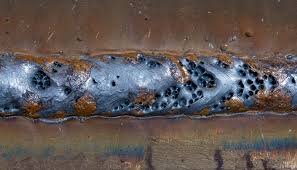
Causes of Porosity
- Inadequate Shielding Gas Coverage: Insufficient shielding gas allows atmospheric gases to contaminate the weld pool.
- Contaminated Base Metal or Filler Material: Presence of moisture, oil, rust, or other contaminants can introduce gases into the weld.
- Excessive Wire Stickout: Extending the welding wire too far from the nozzle can reduce gas coverage, leading to porosity.
- Drafty Welding Environment: Air currents can disrupt the shielding gas flow, allowing atmospheric contamination.
Solutions to Prevent Porosity
- Optimize Shielding Gas Coverage: Ensure the gas flow rate is appropriate and consistent. Use a nozzle size that provides adequate coverage and keep it clean from spatter buildup.
- Clean Materials Prior to Welding: Remove all contaminants from the base metal and ensure the filler material is stored properly to prevent moisture absorption.
- Maintain Proper Wire Stickout: Keep the wire stickout between 3/8 to 1/2 inch to ensure effective gas shielding.
- Control the Welding Environment: Use screens or barriers to protect the welding area from drafts and wind.
- Adjust Welding Technique: Maintain the correct arc length, travel speed, and electrode angle to ensure a smooth and consistent weld pool. Avoid excessive weaving or oscillation that could trap gas in the weld pool.
3. Incomplete Fusion
Incomplete fusion occurs when the weld metal fails to adequately fuse with the base metal or preceding weld beads, resulting in weak joints and potential failure points.
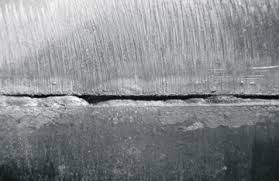
Causes of Incomplete Fusion
- Insufficient Heat Input: Low voltage or amperage settings can prevent proper melting and fusion of materials.
- Improper Welding Technique: Incorrect gun angle, travel speed, or electrode manipulation can lead to inadequate fusion.
- Contaminated Joint Surfaces: Presence of oxides, mill scale, or other contaminants can hinder proper fusion.
Solutions to Achieve Complete Fusion
- Increase Heat Input: Adjust voltage and amperage settings to ensure sufficient heat for proper fusion. Consult welding procedure specifications for appropriate parameters.
- Refine Welding Technique: Maintain a gun angle between 0 to 15 degrees, direct the arc toward the leading edge of the weld pool, and use appropriate travel speeds to allow adequate penetration.
- Prepare Joint Surfaces: Clean the joint area thoroughly to remove any contaminants. For thicker materials, ensure proper joint design and fit-up to facilitate full penetration.
- Utilize Proper Electrode Manipulation: Employ techniques such as slight weaving or stringer beads, depending on the joint configuration, to ensure complete sidewall fusion.
Conclusion
By understanding the underlying causes and implementing the solutions outlined above, welders can enhance weld quality, reduce rework, and ensure the structural integrity of their projects.
