
Metal structures are widely used in Kenya’s construction, manufacturing, and industrial sectors due to their strength, durability, and versatility. However, without proper maintenance, these structures can deteriorate over time due to factors like corrosion, structural stress, and environmental exposure. To ensure longevity and structural integrity, regular maintenance and best practices must be followed.
In this comprehensive guide, we will explore the key factors affecting the lifespan of metal structures and provide expert maintenance tips to help you get the most out of your investment.
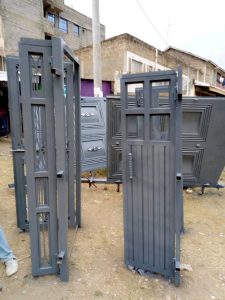
Common Causes of Metal Deterioration
Understanding the factors that contribute to metal deterioration is the first step toward effective maintenance. Here are the most common threats:
1. Corrosion and Rust
Corrosion is the gradual degradation of metal due to chemical reactions, primarily with oxygen and moisture. Rust (iron oxide) is the most common form of corrosion, and it weakens the metal over time.
Causes of Corrosion
- Exposure to moisture, rain, and humidity
- Contact with chemicals and industrial pollutants
- Saltwater exposure (for coastal regions)
- Improperly coated or untreated metal
2. Structural Stress and Fatigue
Repeated stress from heavy loads, vibrations, and environmental factors can lead to metal fatigue, causing cracks and structural weaknesses.
Causes of Metal Stress
- Overloading metal structures beyond their designed capacity
- Sudden temperature changes causing expansion and contraction
- Poor welding or fabrication techniques
3. Poor Installation and Fabrication
Improper installation or poor-quality fabrication can lead to premature wear and tear.
Common Fabrication Issues
- Weak or inconsistent welds
- Incorrect metal selection for the environment
- Misalignment during installation
4. Lack of Protective Coatings
Protective coatings help shield metal from moisture, chemicals, and extreme weather. Without them, metal is more susceptible to corrosion.
Types of Protective Coatings
- Paints and powder coatings
- Galvanization (zinc coating)
- Epoxy and polyurethane coatings
5. Environmental and Climatic Factors
Kenya’s diverse climate, ranging from humid coastal areas to dry inland regions, affects metal structures differently.
Climate-Related Threats
- High humidity increases rust formation
- Coastal areas have salt-laden air that accelerates corrosion
- Extreme heat causes metal expansion and contraction, leading to fatigue
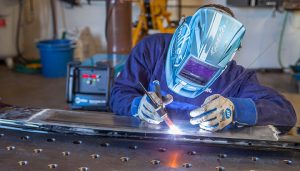
Best Practices for Metal Maintenance
1. Regular Inspections and Assessments
Routine inspections help identify early signs of wear and prevent costly repairs or replacements.
Inspection Checklist
- Check for rust, cracks, or structural deformations
- Inspect welds and joints for weakness
- Ensure protective coatings are intact
- Look for loose bolts, nuts, or fasteners
Recommended Inspection Frequency
- Monthly visual inspections for small structures
- Quarterly inspections for large buildings and industrial structures
- Annual comprehensive structural assessments
2. Proper Cleaning Techniques
Regular cleaning prevents dirt, grime, and corrosive substances from accumulating on metal surfaces.
Best Cleaning Methods
- Mild Soap and Water: Ideal for general dirt removal
- Pressure Washing: Effective for large metal surfaces
- Chemical Cleaners: Use rust removers and degreasers for stubborn stains
Tip: Avoid using abrasive materials that may scratch protective coatings.
3. Rust Prevention and Treatment
Rust prevention is crucial for extending the lifespan of metal structures. If rust is already present, proper treatment is necessary.
Rust Prevention Methods
- Apply anti-corrosion coatings (galvanization, epoxy, or powder coating)
- Store metal in dry, well-ventilated areas when not in use
- Use rust-inhibiting solutions and sealants
Rust Removal Techniques
- Wire Brushing or Sanding: Manually removes rust from small areas
- Rust Converters: Chemically transforms rust into a protective layer
- Electrochemical Cleaning: Ideal for industrial applications
4. Applying Protective Coatings
Adding protective coatings significantly improves metal durability and prevents corrosion.
Types of Coatings and Their Benefits
| Coating Type | Benefits |
|---|---|
| Paint and Powder Coating | Aesthetic appeal and corrosion resistance |
| Galvanization | Long-lasting zinc protection |
| Epoxy Coatings | Strong chemical resistance |
| Polyurethane Coatings | High durability and weather resistance |
5. Proper Welding and Fabrication Practices
High-quality welding and fabrication techniques are essential for durable metal structures.
Best Fabrication Practices
- Use high-quality welding materials and techniques
- Ensure proper metal selection based on environmental conditions
- Follow industry standards for strength and durability
Tip: Work with experienced metal fabricators like Gamun Welders and Fabricators to ensure professional craftsmanship.
6. Addressing Structural Stress and Load Management
Overloading metal structures can lead to premature failure. Proper design and load management are essential.
Load Management Tips
- Avoid exceeding the weight capacity of metal structures
- Use reinforcement techniques such as additional bracing
- Design structures to accommodate expansion and contraction due to temperature changes
7. Weatherproofing for Harsh Environments
If your metal structure is exposed to extreme weather, additional protective measures are necessary.
Weatherproofing Strategies
- Apply weather-resistant coatings
- Install drainage systems to prevent water accumulation
- Use rust-proof fasteners and fittings
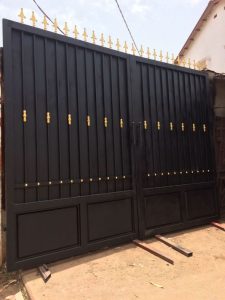
When to Repair vs. When to Replace Metal Structures
Sometimes, repairs may not be enough, and full replacement becomes necessary.
Signs That Repairs Are Sufficient
- Minor rust or surface corrosion that can be treated
- Small cracks or deformations that can be welded
- Coating damage that can be repainted
Signs That Replacement Is Necessary
- Extensive corrosion affecting structural integrity
- Large cracks that compromise load-bearing capacity
- Metal fatigue due to prolonged stress and wear
Tip: Always consult a professional fabricator to determine the best course of action.
Conclusion
Extending the lifespan of your metal structures requires proactive maintenance, the right protective measures, and high-quality fabrication. By understanding the causes of metal deterioration and implementing best practices like regular inspections, rust prevention, and proper welding, you can significantly increase the durability of your metal structures.
At Gamun Welders and Fabricators, we specialize in high-quality metal fabrication and maintenance solutions to ensure your structures remain strong and reliable for years. Contact us today to learn how we can help you maintain and extend the life of your metal investments!
Contact Gamun Welders and Fabricators today!
