
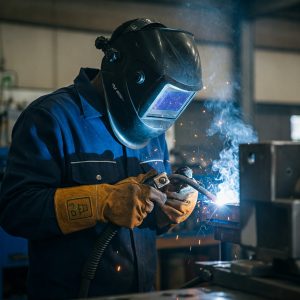
Welding stands as a cornerstone of Kenya’s dynamic industries, from the towering structures that define our skylines to the intricate components that power our manufacturing sector, and even the captivating artistry that enriches our cultural landscape. At Gamun, we deeply understand the vital role welding plays in bringing ambitious projects to life and sustaining crucial economic activities. However, this powerful process is not without its inherent risks, and unfortunately, numerous misconceptions surrounding welding safety continue to circulate, potentially placing both skilled welders and our valued clients in harm’s way.
At Gamun, our commitment extends beyond delivering exceptional welding services; it is deeply rooted in a fundamental belief that safety is paramount. We firmly believe that dispelling these dangerous myths is not merely an act of compliance, but a crucial step towards safeguarding lives, preventing injuries, and fostering a strong foundation of trust with each and every client we serve. We recognize that your peace of mind is intrinsically linked to the safety of our operations and the well-being of everyone involved.
Therefore, we have compiled this comprehensive guide to address some of the most prevalent welding safety myths in Kenya. By understanding the facts and embracing a culture of safety, we can collectively create a safer working environment and ensure the successful and incident-free completion of your projects.
Myth 1: “Welding Is Only Dangerous for Welders, Not Bystanders”
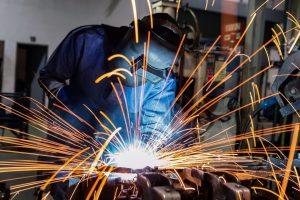
This is perhaps one of the most pervasive and dangerously inaccurate myths surrounding welding. The reality is that the hazards associated with welding extend far beyond the individual holding the welding torch. Intense light, harmful fumes, and a shower of flying sparks pose significant risks to anyone in the vicinity of welding operations.
The Undeniable Facts:
- Arc Eye (Photokeratitis): The intense ultraviolet (UV) and infrared (IR) radiation emitted by the welding arc can cause a painful condition known as “arc eye” or photokeratitis. Even brief, unprotected exposure to this light can lead to symptoms such as severe eye pain, a gritty sensation, redness, tearing, and temporary vision loss. Imagine the discomfort and potential disruption caused by such an injury, not only to a welder but also to a supervisor inspecting work or a client visiting a site.
- Skin Burns: The same UV and IR radiation that damages the eyes can also cause severe skin burns, similar to sunburn, but often more intense and rapid. Exposed skin in the vicinity of welding can be affected, leading to pain, blistering, and potential long-term skin damage. Bystanders often underestimate this risk, assuming that distance alone provides sufficient protection.
- Flying Sparks and Molten Metal: Welding processes often generate showers of hot sparks and molten metal droplets that can travel considerable distances. These can ignite flammable materials in the vicinity, posing a fire hazard. Furthermore, these hot particles can cause serious burns if they come into contact with unprotected skin or eyes of bystanders.
- Noise Pollution: Welding can generate significant noise levels that can be harmful to hearing over prolonged exposure. While welders typically wear hearing protection, bystanders might not be aware of this risk and could experience temporary or permanent hearing damage if exposed to loud welding operations for extended periods.
Gamun’s Commitment:
At Gamun, we take the safety of everyone on or near a welding site extremely seriously. We implement stringent measures to protect bystanders, including:
- Establishing Safe Exclusion Zones: Clearly demarcated areas are established around welding operations to maintain a safe distance for all non-essential personnel.
- Utilizing Protective Barriers and Welding Curtains: We employ fire-resistant screens and welding curtains to contain sparks, filter harmful UV and IR radiation, and reduce noise levels, safeguarding those nearby.
- Providing Clear Signage and Warnings: Highly visible signs are posted to alert individuals to ongoing welding activities and the associated hazards.
- Educating Clients and Visitors: We proactively inform our clients and any visitors about the potential risks and the necessary precautions to take when in the vicinity of welding work.
Myth 2: “Ordinary Clothes Are Good Enough for Welding”
This misconception can lead to severe and preventable injuries. Regular clothing simply does not offer adequate protection against the intense heat, sparks, and molten metal inherent in welding processes.
The Stark Reality:
- Flammability: Many common fabrics are highly flammable and can easily ignite when exposed to sparks or molten metal. This can result in serious burns as clothing catches fire and adheres to the skin.
- Limited Heat Resistance: Even fabrics that don’t readily ignite offer minimal insulation against the intense heat generated during welding. This can lead to skin burns from radiant heat alone.
- Vulnerability to UV Radiation: Ordinary clothing provides little protection against harmful UV radiation, increasing the risk of sunburn and long-term skin damage.
- Lack of Durability: Regular clothing is not designed to withstand the abrasive nature of welding environments and can easily be damaged by sparks and hot materials, further compromising protection.
Gamun’s Unwavering Standards:
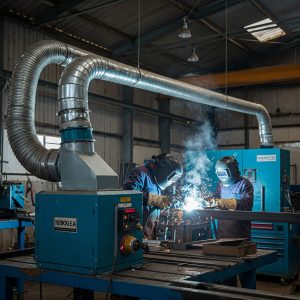
At Gamun, we mandate the use of appropriate personal protective equipment (PPE) for all our welders, adhering to the highest safety standards. This includes:
- Flame-Resistant Clothing: Our welders are equipped with specialized flame-resistant garments made from materials like leather or treated cotton, designed to resist ignition and provide crucial protection against heat and sparks. Shirts are always buttoned up, and cuffs are avoided to prevent sparks from being trapped.
- Leather Welding Gloves: Heavy-duty leather gloves provide essential hand and wrist protection against heat, sparks, and cuts.
- Leather Boots: Sturdy leather boots offer crucial foot protection against falling hot metal, sparks, and potential crushing injuries.
- Welding Aprons and Sleeves: Depending on the specific welding task, additional leather aprons and sleeves may be used for enhanced protection of the torso and arms.
Myth 3: “A Quick Weld Doesn’t Need Full Protective Gear”
This is a particularly dangerous myth, as it often leads to complacency and increases the risk of injury during seemingly minor tasks. The truth is that even a fleeting moment of exposure to welding hazards can have severe consequences.
The Irreversible Consequences:
- Instant Eye Damage: As mentioned earlier, even a brief, unprotected glance at the welding arc can cause immediate and potentially permanent eye damage. The intensity of the UV radiation does not discriminate based on the duration of the weld.
- Rapid Skin Burns: Similarly, even a short burst of welding can expose skin to enough UV radiation to cause a painful burn.
- Unpredictable Sparks: Sparks and molten metal can be ejected unexpectedly, even during a short weld, posing a burn and fire risk.
Gamun’s Non-Negotiable Policy:
At Gamun, we have a strict policy: full protective gear must be worn at all times during any welding activity, regardless of its duration. There are no exceptions. This includes:
- Welding Helmets with Auto-Darkening Filters (ADF): Our welders use high-quality helmets equipped with ADF lenses that automatically darken upon striking an arc, providing continuous eye protection without the need for manual flipping. The correct filter shade is always selected based on the welding process and current.
- Safety Glasses Underneath Helmets: Additional safety glasses are worn under the welding helmet to provide protection against debris and other hazards when the helmet is lifted.
- Full Body Protection: Flame-resistant clothing, gloves, and boots are mandatory for every weld, no matter how short.
Myth 4: “Welding Fumes Aren’t a Big Deal”
Underestimating the dangers of welding fumes can lead to serious and long-term health problems. These fumes are not just smoke; they contain a complex mixture of hazardous substances.
The Hidden Dangers:
- Respiratory Problems: Inhaling welding fumes can irritate the lungs and respiratory system, leading to coughing, wheezing, shortness of breath, and an increased risk of bronchitis and other respiratory illnesses.
- Metal Fume Fever: Exposure to certain metal fumes, such as zinc oxide, can cause a flu-like condition known as metal fume fever, characterized by fever, chills, muscle aches, and nausea.
- Long-Term Health Issues: Prolonged exposure to welding fumes can contribute to more serious long-term health problems, including lung cancer, asthma, and neurological disorders. The specific health risks depend on the type of metal being welded and the composition of the welding consumables.
- Asphyxiation: In poorly ventilated areas, the accumulation of welding fumes can displace oxygen, leading to asphyxiation.
Gamun’s Proactive Approach:
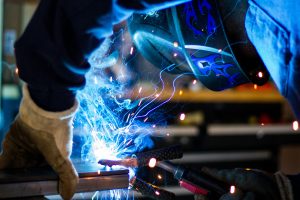
At Gamun, we prioritize the respiratory health of our welders and anyone in the vicinity. Our comprehensive fume control measures include:
- Ensuring Proper Ventilation: We ensure adequate natural or mechanical ventilation in all welding areas to disperse and remove fumes.
- Utilizing Fume Extraction Systems: Where necessary, we employ local exhaust ventilation (LEV) systems, such as fume extraction arms and portable units, to capture fumes directly at the source.
- Providing Respiratory Protection: When adequate ventilation and extraction are not sufficient, we provide our welders with appropriate respiratory protection, such as respirators with the correct filters, and ensure they are properly fitted and used.
- Comprehensive Training: Our welders receive thorough training on the hazards of welding fumes, the importance of ventilation and respiratory protection, and how to use safety equipment correctly. We also educate all personnel working near welding operations about these risks.
Myth 5: “Reading the User Manual Is Optional”
Skipping the user manual for welding equipment is a significant oversight that can compromise safety and lead to accidents or equipment damage.
The Critical Information Within:
- Specific Safety Instructions: User manuals contain crucial safety guidelines specific to the particular welding machine, including warnings about potential hazards and recommended safety procedures.
- Operating Procedures: The manual provides detailed instructions on how to operate the equipment safely and effectively, including correct settings and procedures for different welding processes and materials.
- Maintenance Schedules: Regular maintenance is essential for ensuring the safe and reliable operation of welding equipment. The user manual outlines the recommended maintenance procedures and schedules.
- Troubleshooting Tips: Understanding basic troubleshooting steps can prevent improper operation and potential hazards.
Gamun’s Diligent Practice:
At Gamun, we emphasize the importance of understanding and adhering to the manufacturer’s instructions for all our welding equipment.
- Mandatory Manual Review: Our welders are required to read and understand the user manual for any new welding machine before operating it.
- Ongoing Training: We incorporate the information from user manuals into our ongoing training programs to reinforce safe operating procedures and maintenance practices.
- Proper Equipment Maintenance: We adhere to the recommended maintenance schedules to ensure our equipment is in safe and optimal working condition.
Myth 6: “Welding Safety Is Only the Welder’s Responsibility”
This is a dangerous misconception that undermines the importance of a collective commitment to safety. Welding safety is a shared responsibility that involves everyone involved in or around welding operations.
The Collaborative Approach:
- Employer Responsibilities: Employers have a fundamental responsibility to provide a safe working environment, including proper training, adequate PPE, well-maintained equipment, and effective safety protocols.
- Welder Responsibilities: Welders have a responsibility to follow safety procedures, use PPE correctly, report hazards, and participate in safety training.
- Client and Bystander Responsibilities: Clients and bystanders also play a crucial role by respecting safety barriers, following instructions from welders and supervisors, and reporting any safety concerns they may have.
Gamun’s Culture of Shared Safety:
At Gamun, we foster a strong culture of shared responsibility for safety.
- Comprehensive Training Programs: We invest in extensive and ongoing safety training for all our employees, covering hazard identification, risk assessment, safe work practices, and the proper use of PPE.
- Providing Necessary Resources: We ensure our welders are equipped with high-quality, well-maintained PPE and that they have access to the necessary safety equipment and resources.
- Open Communication and Reporting: We encourage open communication about safety concerns and have established clear procedures for reporting hazards and incidents.
- Client Collaboration: We believe in transparent communication with our clients about our safety protocols and encourage them to ask questions and understand our commitment to safety. We work collaboratively to ensure a safe working environment for everyone involved in their projects.
Why Safety Matters Profoundly for Gamun’s Clients:
Choosing a welding provider who places safety at the forefront offers significant benefits for our clients:
- Protection of Your Property and Personnel: Our rigorous safety standards minimize the risk of accidents, protecting your valuable property from fire or damage and ensuring the well-being of your employees and anyone else on your site.
- Mitigation of Liability: By partnering with a safety-conscious provider like Gamun, you can reduce your potential liability associated with accidents or injuries that might occur during welding operations.
- Preservation of Your Reputation: Accidents and safety incidents can negatively impact your company’s reputation. Our commitment to safety helps ensure that your projects are completed without such incidents, safeguarding your image and credibility.
- Ensuring Project Continuity and Timely Completion: A safe working environment minimizes disruptions caused by accidents or injuries, allowing your projects to proceed smoothly and be completed on schedule.
- Demonstrating Due Diligence: By choosing a provider with a strong safety record and commitment, you demonstrate your own due diligence in ensuring a safe working environment for your projects.
- Building Trust and Confidence: Our unwavering commitment to safety fosters trust and confidence, assuring you that your project is in the hands of professionals who prioritize the well-being of everyone involved.
In Conclusion:
Don’t allow outdated myths to jeopardize your projects or the safety of those involved. At Gamun, we urge you to insist on safe welding practices, never hesitate to ask questions about our safety protocols, and choose to partner with professionals who make safety their absolute priority. Our dedication to the highest safety standards is not just a matter of compliance; it is a fundamental aspect of how we operate and a testament to our commitment to earning and maintaining your trust.
At Gamun, your safety is not just a policy – it’s our business.
Do you have any questions about welding safety or would you like to learn more about Gamun’s comprehensive safety-first approach? Contact us today. We are always happy to discuss our procedures and provide you with the assurance you need to move forward with your welding projects with complete confidence.