Kenya’s manufacturing sector is a vital engine for economic growth, and at its heart lies the critical processes of welding and fabrication. From constructing infrastructure and assembling vehicles to creating intricate metal components, these skills are fundamental to progress. As we move through 2025, a powerful wave of innovation is reshaping the landscape of welding and fabrication, driven by the transformative trio of automation, robotics, and advanced materials.
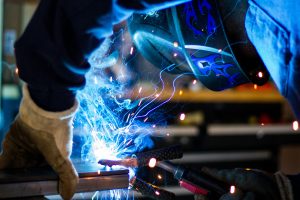
Gamun, as a leading provider of industrial solutions in Kenya, understands the importance of staying at the forefront of these technological advancements. This blog post delves into the exciting ways that the integration of robotics, collaborative robots (cobots), and Artificial Intelligence (AI)-driven automation is revolutionizing welding and fabrication processes, making them faster, safer, and more precise than ever before.
We will also explore the increasing adoption of advanced materials, such as high-strength alloys, and the growing emphasis on sustainable, eco-friendly practices within modern Kenyan workshops. Whether you are a seasoned professional in the metalworking industry or simply curious about the cutting edge of manufacturing, this exploration into the future of welding and fabrication in Kenya will provide valuable insights into the practical trends that are shaping the industry.
The Evolving Landscape: Challenges and Opportunities in Kenyan Welding and Fabrication
The welding and fabrication sector in Kenya, while robust, faces a unique set of challenges:
- Skills Gap: Finding and retaining highly skilled welders and fabricators can be a persistent challenge.
- Safety Concerns: Traditional welding processes can involve hazardous conditions, requiring stringent safety protocols.
- Efficiency Demands: Increasing production demands require faster and more efficient fabrication processes.
- Precision Requirements: Modern applications often demand intricate and highly precise welds and fabrications.
- Material Costs: The cost of raw materials, especially specialized alloys, can significantly impact project budgets.
- Environmental Considerations: Growing awareness of environmental impact necessitates the adoption of more sustainable practices.
These challenges, however, also present significant opportunities for innovation and growth. The integration of automation, robotics, and advanced materials offers pathways to address these hurdles, enhance productivity, improve safety, and create higher-quality outputs.
The Robotic Revolution: Automation Takes Center Stage
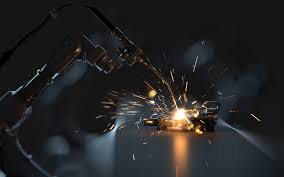
Automation is no longer a distant dream but a tangible reality in welding and fabrication workshops across the globe, and Kenya is no exception. The deployment of robotic welding systems offers a multitude of benefits:
- Increased Speed and Productivity: Robots can perform repetitive welding tasks at a consistently high speed, significantly increasing production output compared to manual welding.
- Enhanced Precision and Consistency: Robotic arms can execute welds with unparalleled accuracy and consistency, reducing errors and improving the quality of the final product.
- Improved Safety: By taking over hazardous tasks, welding robots reduce the risk of injury to human welders from fumes, heat, and potential accidents.
- Reduced Material Waste: Precise robotic welding minimizes the need for rework and reduces material waste, leading to cost savings.
- Flexibility and Adaptability: Modern welding robots can be programmed to handle a variety of welding processes and workpieces, offering greater flexibility in production.
- Addressing the Skills Gap: While not replacing skilled welders entirely, robots can augment their capabilities and handle routine tasks, freeing up skilled personnel for more complex and specialized work.
Gamun offers a range of robotic welding solutions tailored to the specific needs of Kenyan fabricators, from basic automated cells to highly sophisticated multi-axis systems.
The Rise of Collaborative Robots (Cobots): Human-Robot Harmony
While traditional industrial robots are designed for fully automated tasks and often require safety cages, collaborative robots, or cobots, are designed to work safely alongside human workers.This opens up exciting new possibilities in welding and fabrication:
- Shared Workspaces: Cobots can assist human welders with specific tasks, such as holding workpieces in place or performing pre-weld preparations, in a shared workspace without the need for extensive safety barriers.
- Enhanced Dexterity and Reach: Cobots can extend the reach and dexterity of human welders, allowing them to work on larger or more complex parts with greater ease.
- Reduced Physical Strain: Cobots can take over physically demanding tasks, reducing fatigue and the risk of musculoskeletal injuries for human workers.11
- Improved Quality Control: Cobots equipped with sensors and vision systems can perform real-time quality checks during the welding process, ensuring accuracy and identifying potential defects early on.
- Ease of Programming and Deployment: Cobots are often designed with user-friendly interfaces, making them easier to program and deploy for specific tasks compared to traditional industrial robots.
Gamun is actively exploring and offering cobot solutions that can be seamlessly integrated into Kenyan fabrication workshops, fostering a collaborative environment between humans and machines.
AI-Driven Automation: Intelligent Welding and Fabrication
The integration of Artificial Intelligence (AI) is taking automation in welding and fabrication to the next level, enabling machines to learn, adapt, and make intelligent decisions:
- Automated Path Planning: AI algorithms can analyze workpiece geometry and welding requirements to automatically generate optimal welding paths, minimizing travel time and maximizing efficiency.
- Real-Time Weld Quality Monitoring: AI-powered vision systems and sensors can monitor weld quality in real-time, identifying defects as they occur and allowing for immediate adjustments to the welding parameters.
- Predictive Maintenance: AI can analyze data from robotic welding systems to predict potential equipment failures, enabling proactive maintenance and minimizing downtime.
- Adaptive Welding Parameters: AI algorithms can learn from past welding data and automatically adjust welding parameters (e.g., voltage, current, wire feed speed) in real-time to optimize weld quality based on material variations and environmental conditions.17
- Automated Defect Recognition and Analysis: AI-powered image recognition can automatically identify and classify welding defects, providing valuable data for process improvement.
Gamun is partnering with leading AI technology providers to bring intelligent automation solutions to the Kenyan welding and fabrication industry, empowering businesses with data-driven insights and enhanced control over their processes.
The Material Revolution: Embracing Advanced Alloys
Beyond automation, the adoption of advanced materials is also transforming welding and fabrication. High-strength alloys offer numerous advantages:
- Increased Strength-to-Weight Ratio: These materials provide superior strength while being lighter than traditional steels, leading to weight savings in structures and components, which can be crucial in industries like aerospace and automotive.
- Improved Corrosion Resistance: Alloys like stainless steel and nickel-based alloys offer excellent resistance to corrosion, extending the lifespan of fabricated products in harsh environments, such as coastal regions in Kenya.
- Enhanced Durability and Fatigue Resistance: Advanced alloys can withstand higher stresses and cyclic loading, leading to more durable and reliable products.
- Specialized Properties: Different advanced alloys offer unique properties, such as high-temperature resistance, wear resistance, and magnetic permeability, enabling their use in specialized applications.
However, welding these advanced materials often requires specialized techniques and expertise. Gamun provides welding equipment and consumables specifically designed for high-strength alloys, along with training and support to ensure successful fabrication.
Sustainability in Welding and Fabrication: Towards Eco-Friendly Practices
In line with global trends and Kenya’s commitment to environmental sustainability, the welding and fabrication industry is increasingly adopting eco-friendly practices:
- Energy-Efficient Welding Processes: Modern welding technologies, such as laser welding and certain arc welding processes, can be more energy-efficient than traditional methods, reducing power consumption and carbon footprint.
- Reduced Fume Generation: Advancements in welding consumables and techniques aim to minimize the generation of harmful fumes, improving air quality in workshops and reducing health risks for welders.
- Use of Sustainable Materials: Exploring the use of recycled metals and materials with lower environmental impact is gaining traction.
- Waste Reduction and Recycling: Implementing efficient material handling practices and recycling metal scrap reduces waste and promotes resource conservation.
- Carbon Footprint Tracking and Reduction: Businesses are increasingly tracking their carbon footprint and implementing strategies to reduce their environmental impact.
Gamun is committed to promoting sustainable practices in the Kenyan welding and fabrication industry by offering energy-efficient equipment, fume extraction systems, and guidance on environmentally responsible material selection and waste management.
Preparing for 2025: Practical Steps for Kenyan Businesses
To capitalize on the transformative potential of automation, robotics, advanced materials, and sustainable practices, Kenyan welding and fabrication businesses should consider the following practical steps:
- Invest in Training and Upskilling: Equip your workforce with the skills needed to operate and maintain advanced welding and fabrication technologies. Partner with institutions like Gamun Training Academy for specialized training programs.
- Explore Pilot Automation Projects: Start with small-scale automation projects to assess the benefits and gain experience before making large-scale investments. Consider a collaborative robot for a specific repetitive task.
- Evaluate the Potential of Advanced Materials: Research and explore the use of high-strength alloys that can improve product performance and reduce material costs in the long run.
- Implement Safety Upgrades: Invest in modern safety equipment and automation technologies to create a safer working environment.
- Adopt Digital Tools for Workflow Management: Utilize software solutions to streamline project management, inventory control, and communication.
- Research Sustainable Practices: Explore ways to reduce waste, conserve energy, and adopt more environmentally friendly materials and processes.
- Seek Expert Consultation: Partner with companies like Gamun to receive expert advice on the latest technologies and solutions tailored to your specific needs.
- Network and Collaborate: Engage with industry peers and attend workshops and conferences to stay informed about the latest trends and best practices.
Forging a Brighter Future for Kenyan Welding and Fabrication
The integration of automation, robotics, AI, advanced materials, and sustainable practices is not just changing the way welding and fabrication is done; it is forging a brighter, more efficient, safer, and sustainable future for the industry in Kenya.By embracing these innovations, Kenyan businesses can enhance their competitiveness, meet the growing demands of various sectors, and contribute to the nation’s economic growth.
Gamun is proud to be a partner in this transformative journey, providing cutting-edge solutions, expert knowledge, and unwavering support to the Kenyan welding and fabrication industry. Together, we can harness the power of innovation to unlock new possibilities and build a stronger, more prosperous future for Kenyan manufacturing.
Ready to spark innovation in your welding and fabrication processes? Contact Gamun today to explore our range of automation solutions, advanced materials, and expert services.
What are your thoughts on the future of welding and fabrication in Kenya? Share your insights and experiences in the comments below!